
Want an AI-Powered Contractor Growth System Like This?Website + private Business Dashboard + lead capture + Google review tools + hosting and updates — $199/month with zero setup fees.

Residential & Commercial Roofing • St. Augustine, FL

Roof Repair & Replacement in St. Augustine, FL

Compare roof repair, replacement, asphalt shingles, metal roofing, tile, storm damage, leak diagnosis, inspections, low-slope systems, and commercial roofing options for St. Augustine properties.

Compare roofing projects by

Material, Damage & Property Type

Use these pages to understand leak diagnosis, repairability, replacement scope, shingles, metal, tile, storm damage, underlayment, decking, flashing, ventilation, drainage, warranties, and questions to ask before hiring.

Repairs & LeaksReplacement & MaterialsStorms & Inspections
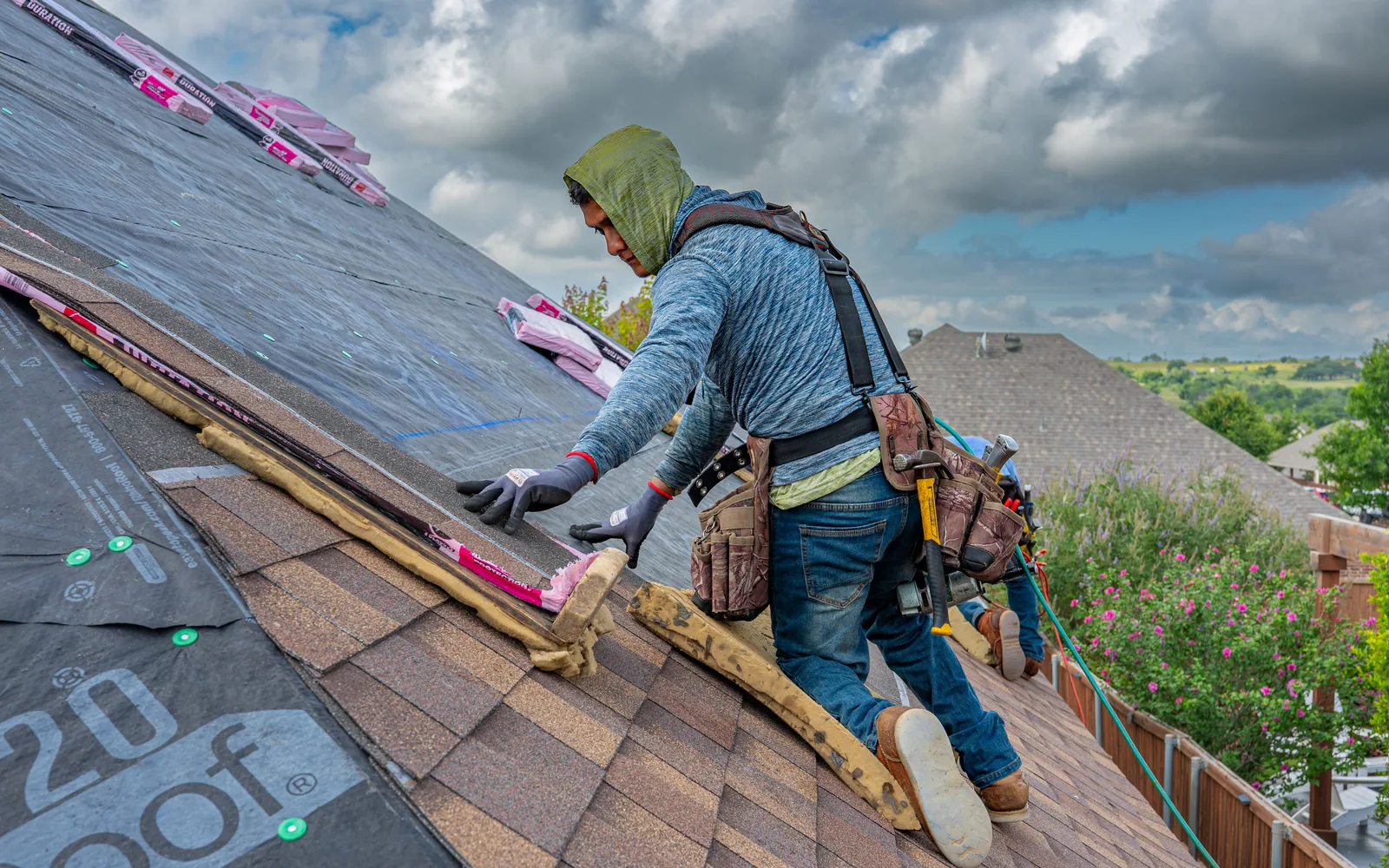
Roofer installing shingles over a prepared roof deck and synthetic underlayment.

Plan the complete roof assembly

A reliable roofing scope starts below the visible surface.

Roofing estimates can differ because proposals include different measurements, tear-off assumptions, deck repairs, underlayment, flashing, edge metal, ventilation, fasteners, accessories, cleanup, permits, inspections, and warranties. The clearest proposal identifies these details before work begins.

1

Describe the property and concern

Identify roof material, approximate age, leak history, storm event, stories, additions, access, and timing.

2

Review the roof condition

Inspect covering, decking, flashing, penetrations, ventilation, drainage, fascia, previous repairs, and interior evidence.

3

Compare a written scope

Confirm materials, manufacturer system, deck allowances, permits, dry-in, cleanup, payment schedule, and warranty.

St. Augustine roofing considerations

Sun, salt, wind-driven rain, humidity, trees, and tropical weather can expose weak roof details.

Coastal and inland St. Johns County properties can have different exposures. A beachside metal roof, historic tile roof, shaded shingle roof, low-slope addition, commercial building, and newer planned-community home should not automatically receive the same recommendation.

Roof-to-wall intersections, valleys, chimneys, skylights, pipe boots, gutters, edge details, and transitions deserve special attention because they interrupt the main roof surface and can concentrate water.

Read the Coastal Florida Roofing Guide

Residential building with a blue metal roof and deep roof overhang.

Common estimate requests

Roofing projects often combine several scopes

These examples show why useful project details help a roofing provider understand access, materials, repairs, urgency, and permit needs.

An intermittent ceiling stain near a chimney that appears only during wind-driven rain and has already received one sealant repair.

Leak diagnosisFlashing, water path, deck, and interior evidence

A complete shingle replacement with old-roof removal, deck repair allowances, synthetic underlayment, new flashing, ventilation review, permits, and cleanup.

Roof replacementComplete assembly and written scope

Storm-related missing shingles and active water entry requiring safe temporary dry-in, documentation, inspection, and permanent repair planning.

Storm responseSafety, stabilization, documentation, and repair
Workers repairing a roof deck after removal of the existing roof covering.

What a roofing estimate should explain

Compare more than the visible roof covering.

  • Roof measurements, pitch, stories, layers, and access
  • Repair diagnosis or replacement limits
  • Decking, fascia, soffit, and concealed wood unit prices
  • Underlayment, flashing, ventilation, edge metal, and accessories
  • Permit, inspection, weather protection, and daily dry-in
  • Material warranty, workmanship coverage, exclusions, and payment schedule

Prepare for the first conversation

Useful details can make the estimate process faster.

Include the address or ZIP code, roof material, approximate age, number of stories, leak or storm details, interior damage, previous repairs, insurance timing, photos, and preferred schedule.

  • Active leak or emergency dry-in need
  • Shingle, tile, metal, or low-slope roof type
  • Approximate roof age and known previous work
  • Visible missing, cracked, lifted, corroded, or punctured areas
  • Ceiling stains, attic moisture, decking, fascia, or gutter concerns
  • HOA, access, solar panels, skylights, chimneys, or commercial operations