Condition, scope & system planning
A temporary dry-in should reduce immediate water entry without creating unsafe conditions or unnecessary new damage
Emergency tarping is a temporary measure used when the roof cannot be permanently repaired immediately because of weather, material availability, access, permit timing, or the need for a more complete inspection.
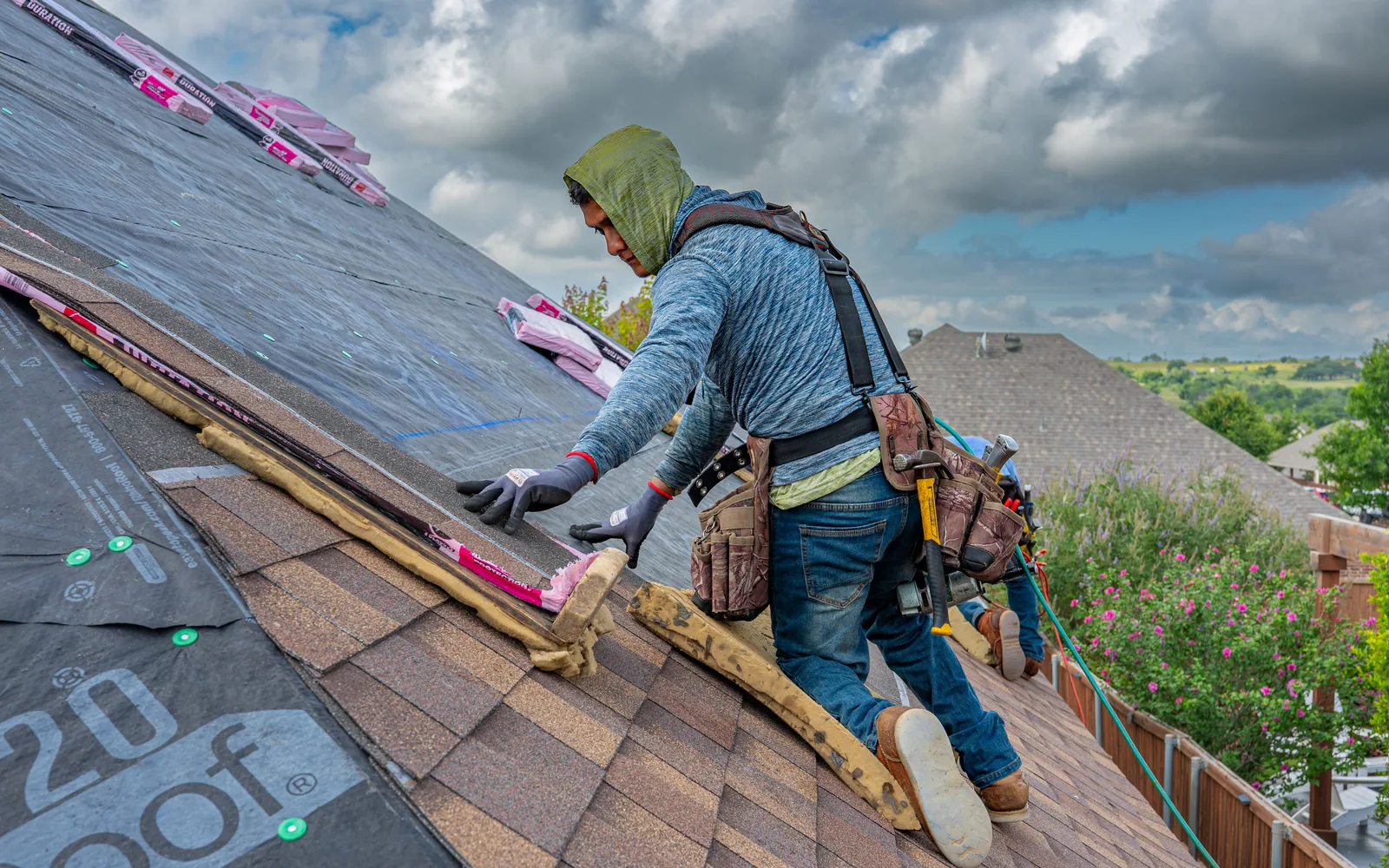
The safest method depends on roof slope, covering, damage, wind, rain, structure, and access. Loose tarps, exposed fasteners, poorly secured edges, or work performed during unsafe weather can create additional hazards.
A contractor may use tarps, underlayment, temporary flashing, sealants, boards, or other compatible materials to stabilize the opening. The method should be documented and removed or incorporated correctly when permanent repairs occur.
Interior steps may include moving belongings, collecting water, protecting finishes, removing wet materials when appropriate, and arranging drying. Electrical hazards and sagging ceilings require caution.
Keep receipts, photographs, dates, and the written temporary scope. Confirm who will return, how the area will be monitored, and whether the temporary work is included in the later permanent proposal.
Items to include when comparing proposals
- Location and size of the opening or damage
- Active weather and safe access conditions
- Roof material and slope
- Method of temporary attachment or dry-in
- Protection of damaged decking and interior
- Photo documentation before and after
- Expected service life of the temporary measure
- Plan and timing for permanent repair
Questions homeowners often ask
How long can a roof tarp remain in place?
It depends on material, attachment, exposure, weather, and damage. A tarp is temporary and should be checked after wind or rain and replaced by a permanent repair as soon as practical.
Should I install a tarp myself?
Roof access is hazardous, especially after storms. Wet surfaces, wind, unstable decking, power lines, steep slopes, and damaged materials can make DIY work unsafe.
Does emergency tarping stop all water?
A properly installed temporary dry-in can reduce water entry, but severe damage, wind-driven rain, walls, or concealed openings may still allow moisture.