
Quick answer
Roofing cost is driven by measurable scope and risk: roof area, pitch, stories, access, material, tear-off, deck condition, flashing, underlayment, ventilation, permits, weather protection, cleanup, and warranty.
Roof size is more than home square footage
Roofing is measured by roof surface area, not conditioned floor area. Pitch, overhangs, garages, porches, additions, dormers, valleys, and waste factors change material and labor quantities.
A contractor may use aerial measurements, plans, field measurements, or a combination. The proposal should explain the measured scope and exclusions.
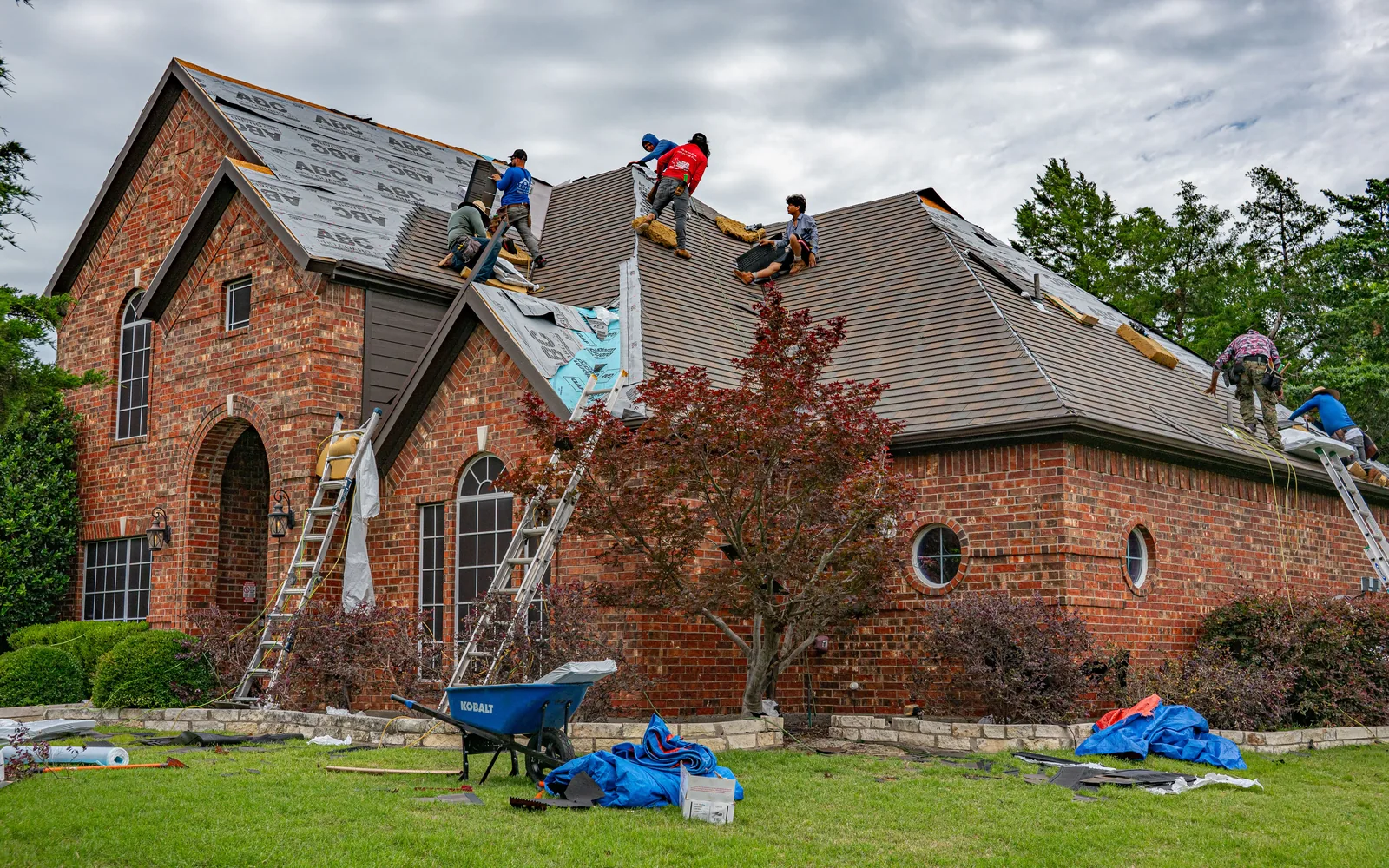
Material and assembly choices
Architectural shingles, metal panels, tile, and low-slope membranes have different material, accessory, labor, equipment, and warranty costs.
Underlayment, edge metal, flashing, ridge, ventilation, fasteners, and approved components can create major differences between proposals that appear to use the same visible roof covering.
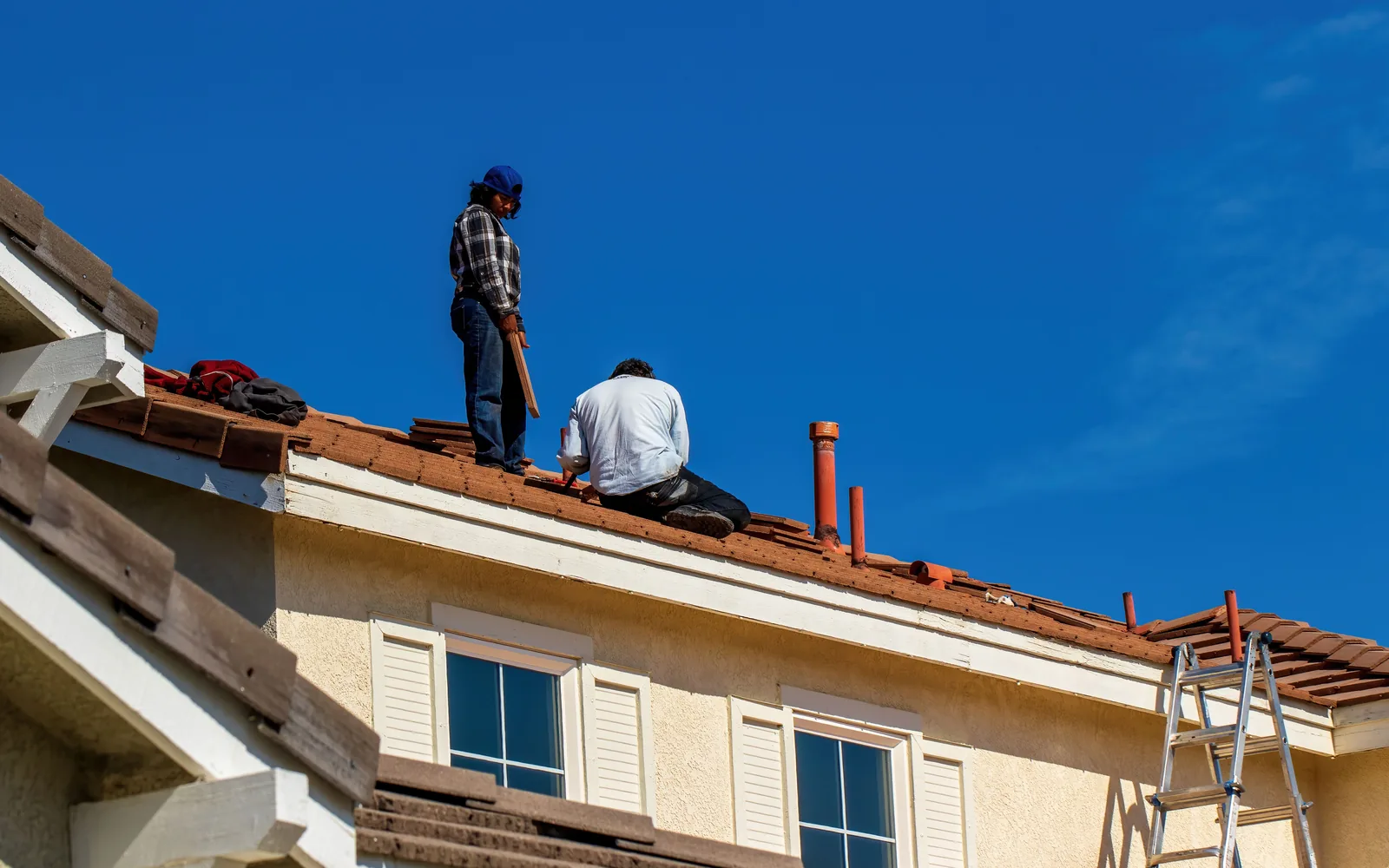
Tear-off, decking, and concealed repairs
Existing layers, disposal, roof access, landscaping protection, and deck condition affect cost. Concealed wood damage may not be fully visible until tear-off.
Written unit prices for decking, fascia, and related repairs make added work easier to document and approve.
Permits, schedule, and warranty
Local permit requirements, product documentation, inspections, weather delays, crew size, staging, daily dry-in, and cleanup are part of the project cost.
Compare the exact scope, payment schedule, manufacturer coverage, workmanship coverage, exclusions, and change-order process rather than relying on one total number.
Homeowner comparison checklist
- Roof measurements, pitch, stories, and access
- Exact roofing product and accessory system
- Tear-off and disposal assumptions
- Decking and hidden wood unit prices
- Underlayment, flashing, ventilation, and edge details
- Permits, inspections, cleanup, schedule, and warranties
Frequently asked questions
Can a roofer quote from aerial measurements alone?
Aerial measurements can help, but field review may still be needed for access, deck condition, layers, flashing, penetrations, additions, drainage, and repairs.
Why are roof replacement estimates far apart?
They may use different measurements, materials, underlayment, flashing, deck allowances, permit assumptions, cleanup, insurance, labor, and warranty terms.
Should I compare price per square?
It can be one reference point, but a low price per square may exclude important details. Compare complete written scopes.