Condition, scope & system planning
A useful repair starts by identifying the water path and the condition of the surrounding roof system
Roof repair is most effective when the diagnosis goes beyond the first visible stain. Water can travel along decking, framing, underlayment, fasteners, and ceiling materials before it becomes visible inside the home.
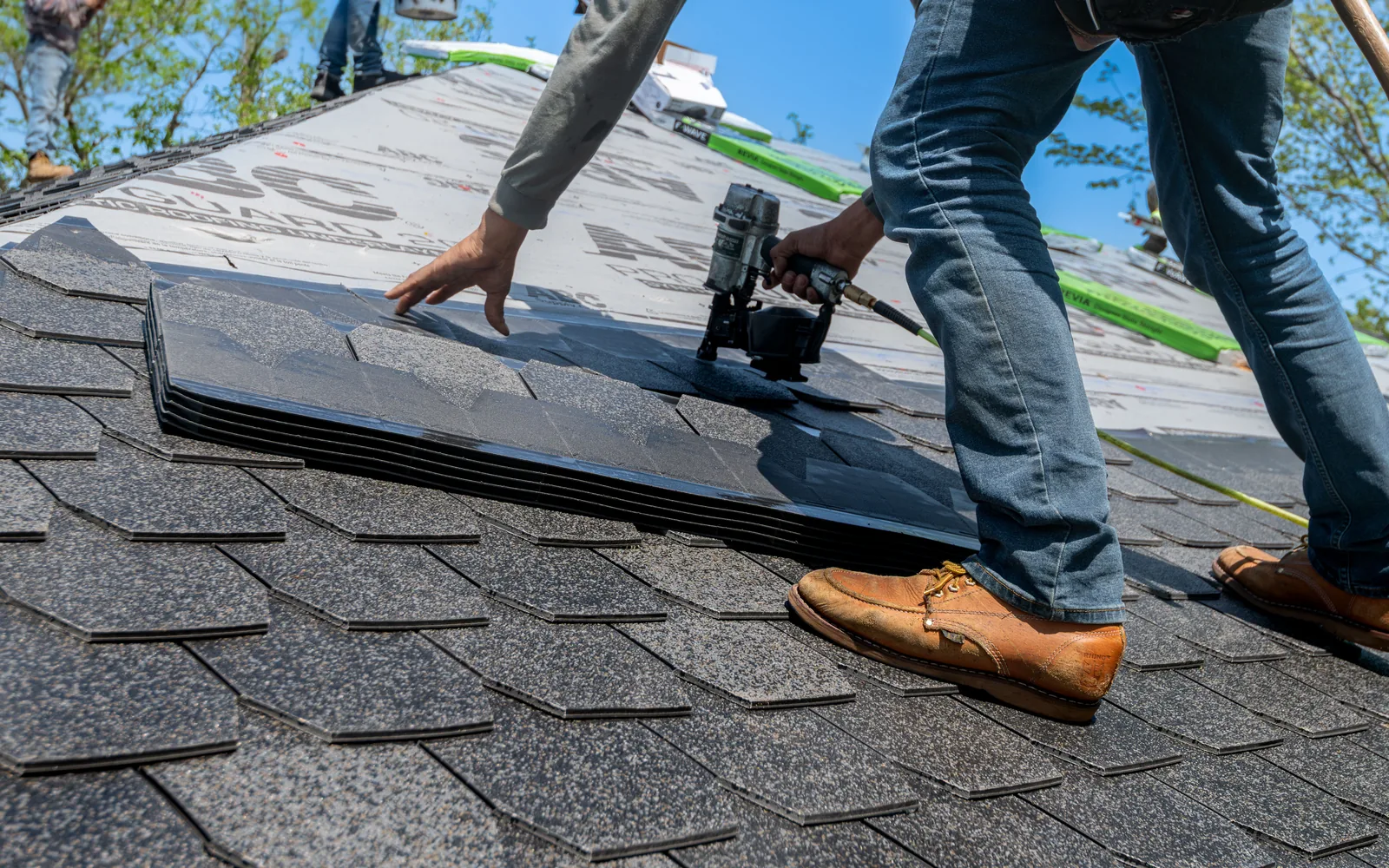
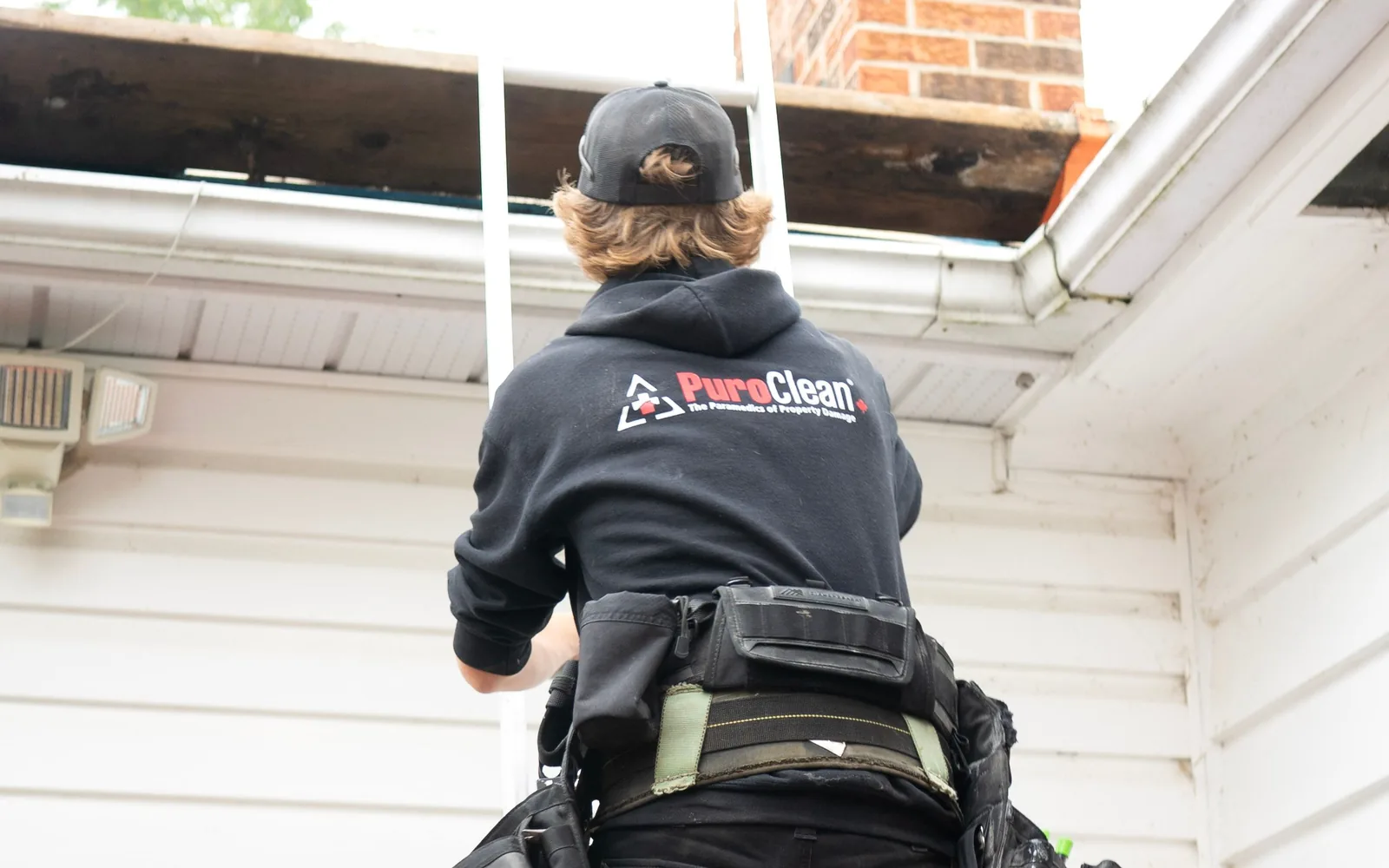
Common repair areas include missing or damaged shingles, cracked tiles, metal seams, lifted flashing, pipe boots, skylights, chimneys, valleys, roof-to-wall transitions, low-slope tie-ins, fascia, soffits, and localized decking damage.
St. Augustine roofs also face strong sun, humid conditions, wind-driven rain, tree debris, salt exposure near the coast, and tropical weather. Those conditions can accelerate sealant failure, corrosion, algae growth, fastener problems, and water entry at vulnerable details.
The contractor should explain whether the repair is expected to be isolated or whether surrounding materials are too brittle, deteriorated, incompatible, or widespread for a limited repair to be dependable.
A written repair proposal should identify the suspected cause, area of work, materials, deck or wood allowances, flashing work, interior access, cleanup, warranty, and what happens if additional concealed damage is found.
Items to include when comparing proposals
- Photos and location of interior stains or active dripping
- Roof covering type, approximate age, and previous repairs
- Condition of shingles, tiles, panels, flashings, vents, and sealants
- Decking, fascia, soffit, or wood repair allowances
- Temporary dry-in or tarp needs during wet weather
- Whether matching materials are available
- Permit requirements and final inspection where applicable
- Repair warranty and limitations
Questions homeowners often ask
Can a roof leak be repaired without replacing the entire roof?
Often yes when the source is localized and the surrounding roof still has useful service life. The inspection should determine whether the damage is isolated or part of a broader system failure.
Why does a roof leak sometimes continue after a repair?
The original source may have been misidentified, multiple entry points may exist, or water may be coming from walls, windows, plumbing, condensation, or drainage rather than the repaired roof area.
Should a roofer inspect the attic or interior?
Interior and attic observations can help identify staining, wet insulation, deck damage, ventilation issues, or the direction water has traveled, when safe access is available.