Quick answer
The safest time to address roof concerns is before a storm threatens. Review the roof, drainage, nearby trees, records, insurance contact, emergency supplies, and qualified contractor options early—then follow official evacuation and safety guidance.
Inspect before storm season
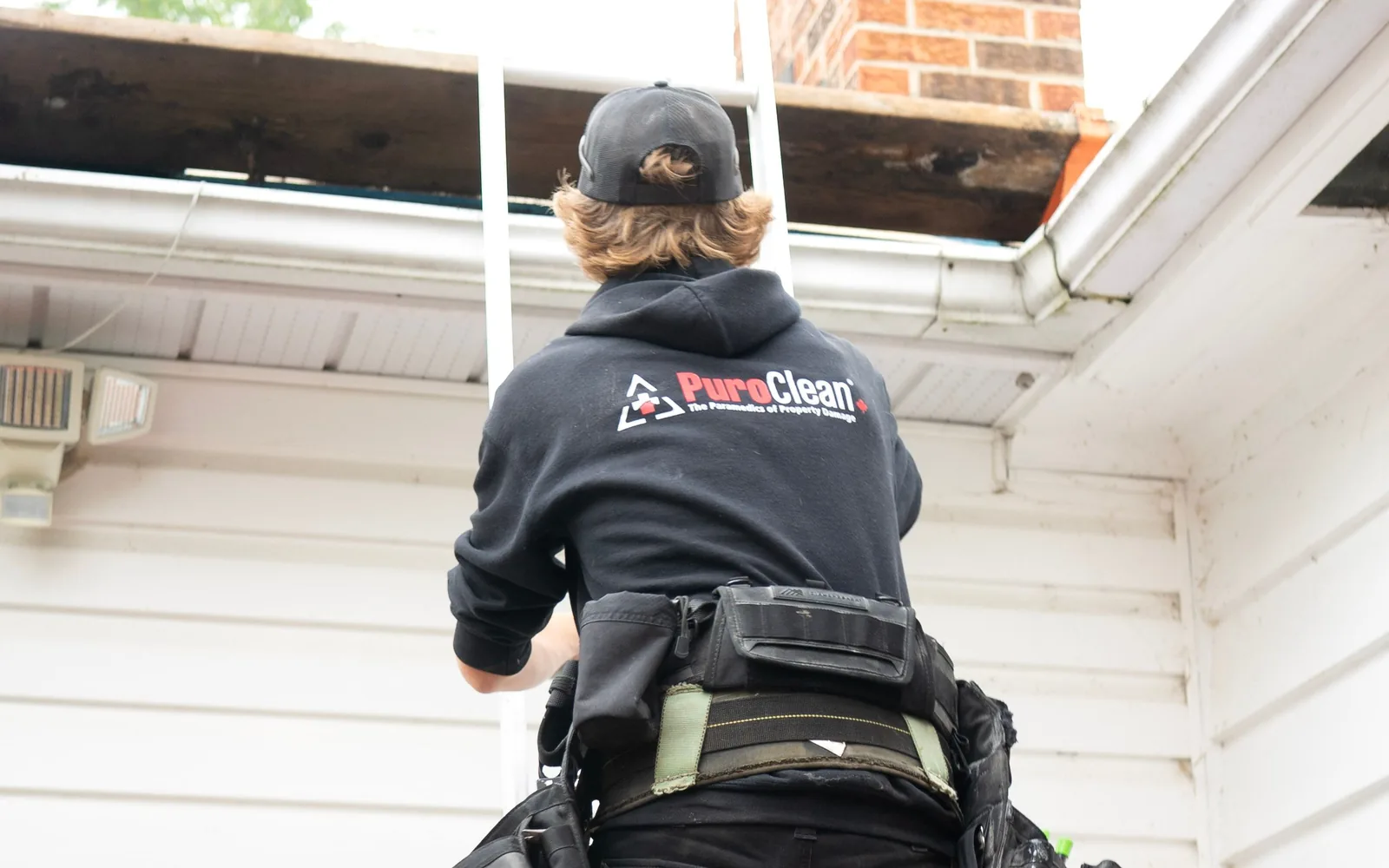
Schedule review of loose or missing materials, flashings, sealants, gutters, drains, skylights, vents, tree contact, and known leak areas.
Complete repairs during safe weather rather than seeking last-minute rooftop work when wind or rain is approaching.
Prepare records and contacts
Keep roof permits, warranty, photos, contractor information, insurance policy, emergency numbers, and a home inventory accessible.
Photograph the roof and exterior from safe ground-level locations before severe weather.
Reduce avoidable exterior hazards
Secure outdoor furniture and loose items, clear drainage where safe, and arrange qualified tree work well before the storm.
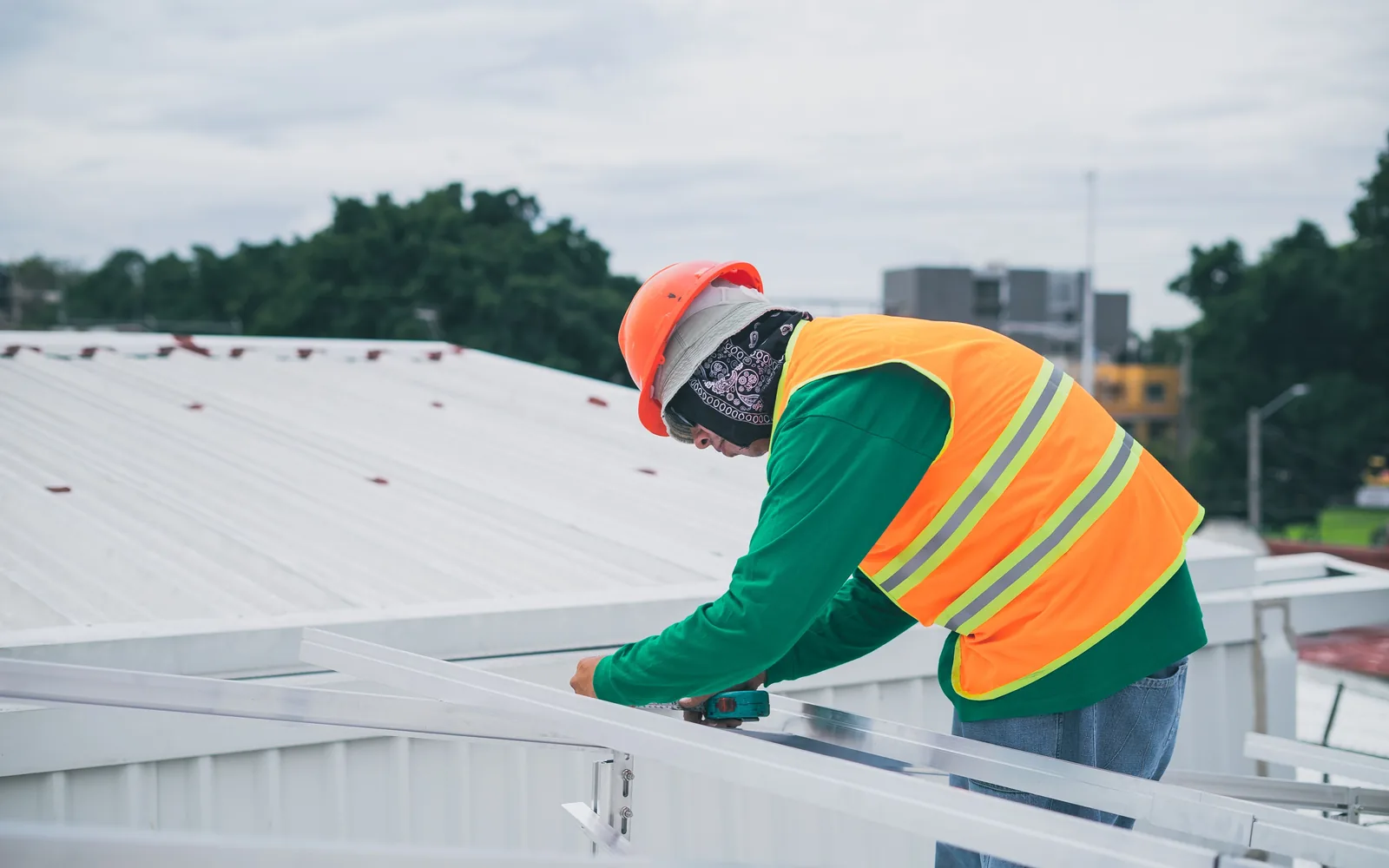
Do not place people at risk for last-minute cleaning, tarping, or repairs.
Use caution after the storm
Stay away from downed lines, unstable trees, wet roofs, sagging ceilings, and damaged structures. Document conditions and arrange safe temporary protection.
Follow NOAA, local emergency management, utility, and government instructions.
Homeowner comparison checklist
- Pre-season roof and drainage inspection
- Qualified contractor contact list
- Roof, permit, warranty, and insurance records
- Safe ground-level photos
- Tree and loose-item planning
- Post-storm safety and documentation plan
Frequently asked questions
Should I tarp my roof before a hurricane?
Pre-storm tarping is not a substitute for repairs and can become dangerous in wind. Address known defects early with qualified help.
Can a roofer work once a hurricane warning is issued?
Conditions, safety rules, crew availability, and local orders may prevent roof work. Plan before the threat.
What should I do if the roof leaks during the storm?
Stay indoors away from damaged ceilings and electrical hazards, collect water only when safe, and wait for conditions to improve before exterior work.
Helpful official resources
These sources provide additional information relevant to the topic.