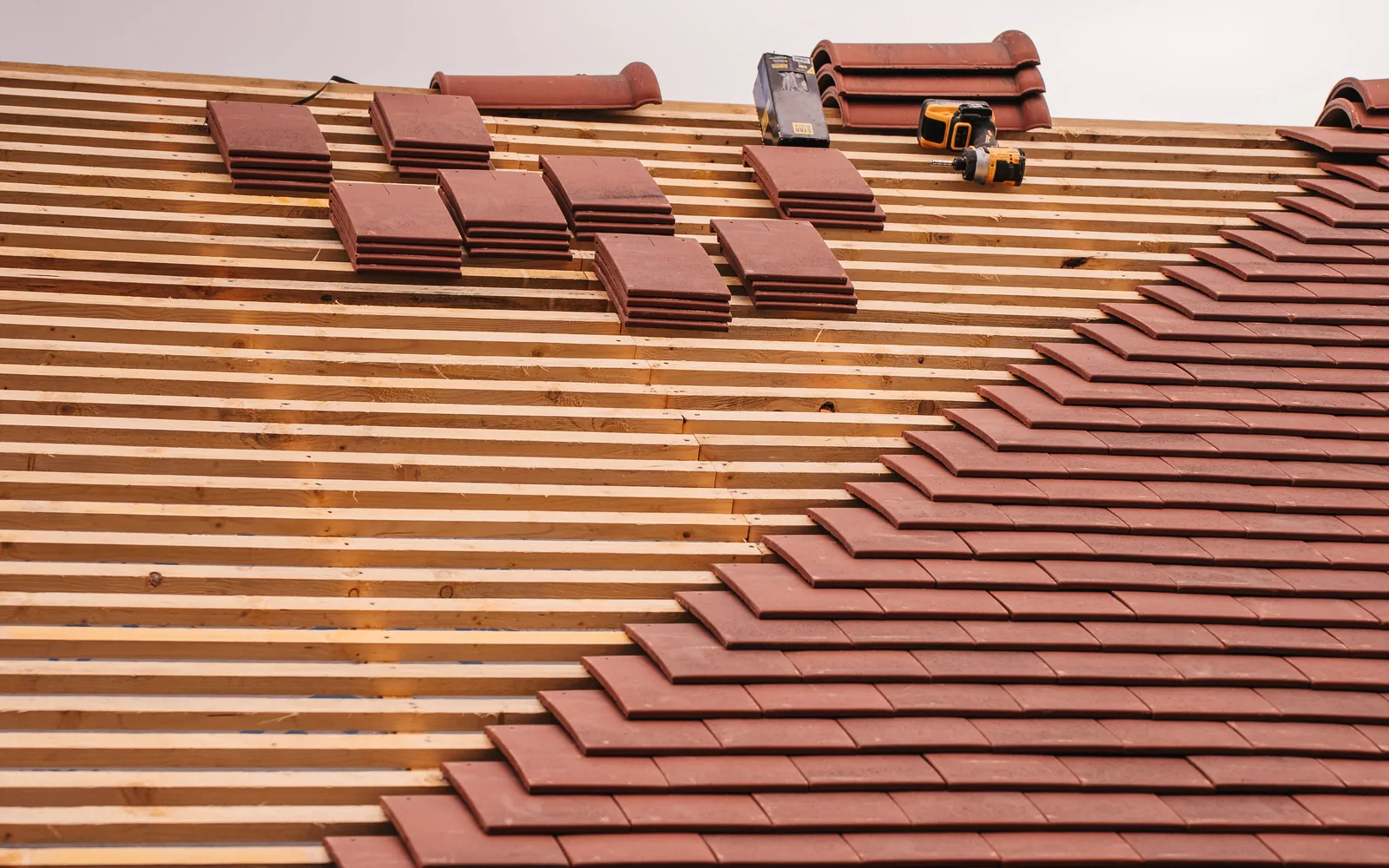
Quick answer
Roof cleaning should remove unwanted growth or staining without stripping granules, breaking tiles, forcing water under laps, damaging finishes, corroding metals, killing landscaping, or voiding warranties.
Identify the roof material and growth
Asphalt shingles, clay or concrete tile, metal, and membranes tolerate different chemicals, pressure, walking, and tools.
Algae, moss, lichen, dirt, rust, and manufacturing color patterns are not the same problem.
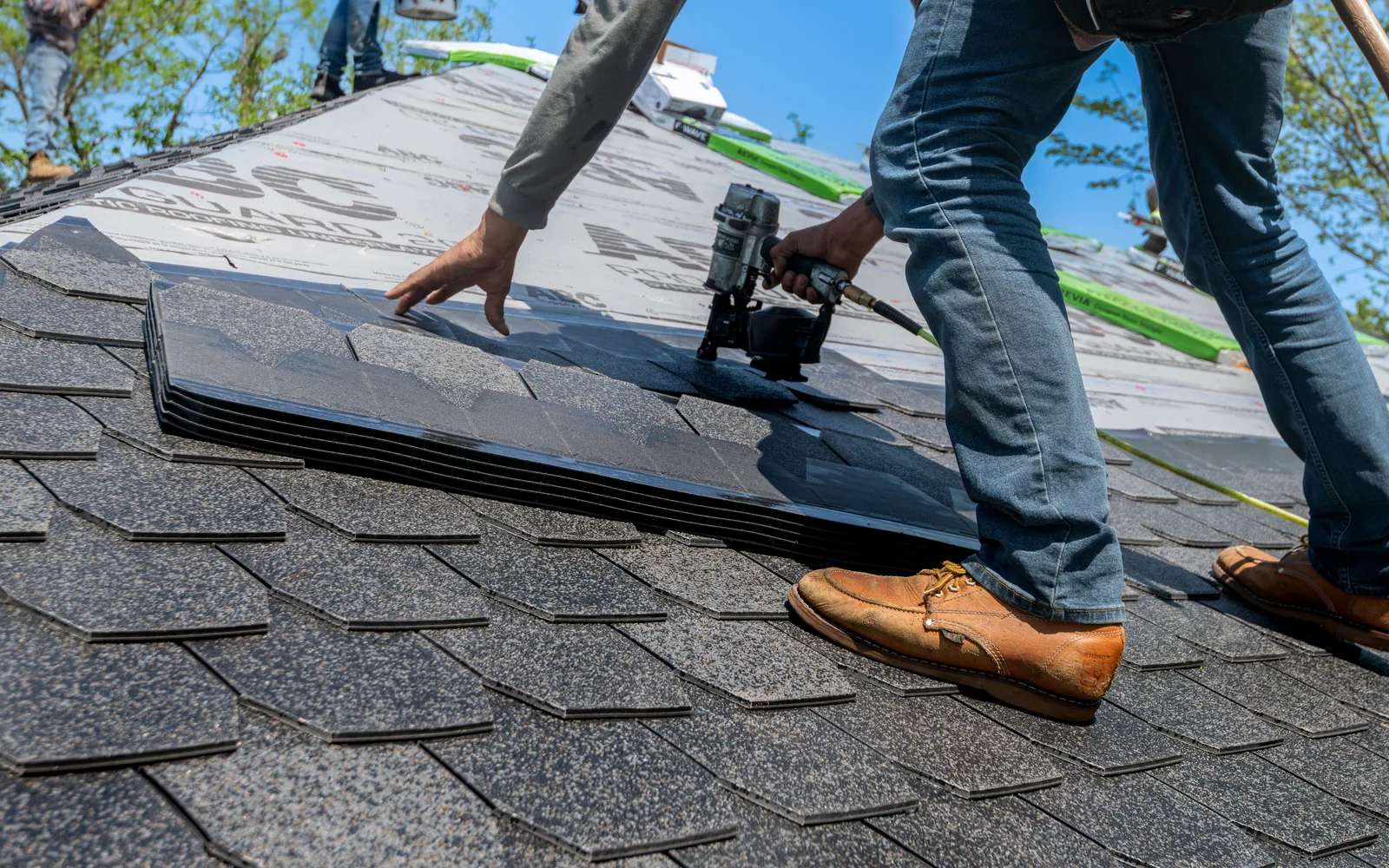
Avoid aggressive damage
High pressure can remove shingle granules, break tile, open seams, damage coatings, and drive water into the assembly.
Harsh chemicals can affect plants, gutters, metals, paint, pools, and nearby property.
Follow product guidance
Roof and cleaning-product manufacturers may publish approved methods, concentrations, dwell times, rinsing, and precautions.
The contractor should explain containment, runoff, plant protection, access, and worker safety.
Inspect while cleaning
Cleaning may reveal cracked tiles, loose flashings, failed sealants, corrosion, lifted shingles, or drainage issues.
Do not use cleaning to disguise a failing roof; document repair needs separately.
Homeowner comparison checklist
- Roof material and manufacturer guidance
- Type and extent of growth or staining
- Pressure, chemical, and application method
- Plant, pool, metal, paint, and runoff protection
- Walking and breakage risk
- Post-cleaning inspection and repair notes
Frequently asked questions
Will roof cleaning make an old roof last longer?
Cleaning can improve appearance and remove debris, but it does not restore worn materials or correct leaks and flashing problems.
Can tile roofs be pressure washed?
Some contractors use controlled methods, but pressure, walking, tile condition, underlayment, and manufacturer guidance must be considered.
Why does algae return?
Moisture, shade, nutrients, nearby trees, roof material, and climate can allow regrowth. Maintenance expectations should be realistic.