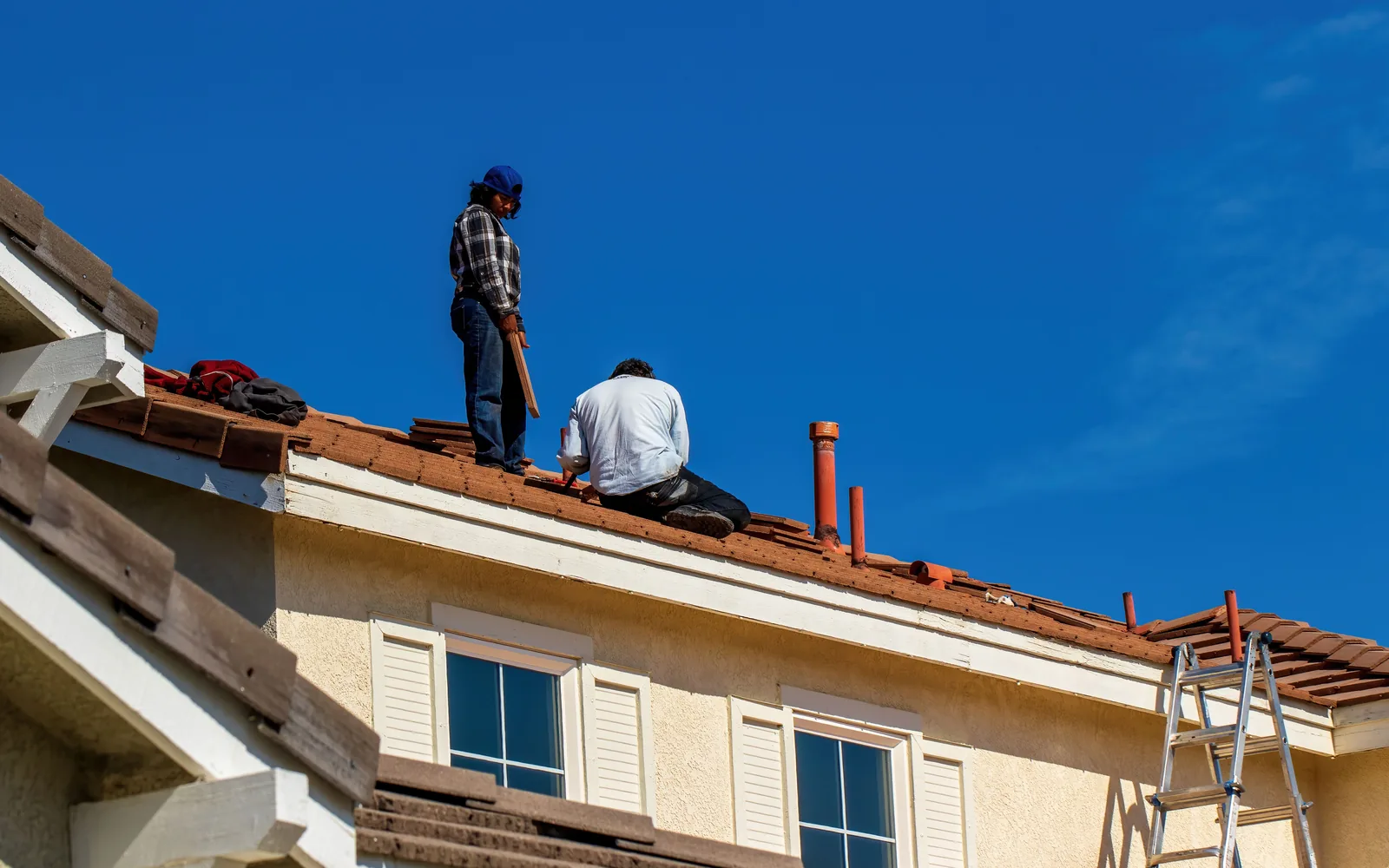
Quick answer
Decking should provide a sound, dry, properly fastened substrate for the roof system. Softness, delamination, rot, broken boards, impact, missing support, and repeated leaks may require repair or replacement.
How damage develops
Long-term leaks, failed flashings, condensation, insects, impact, poor ventilation, and previous alterations can damage decking.
Staining alone does not always mean replacement, while apparently dry wood can still be weakened.
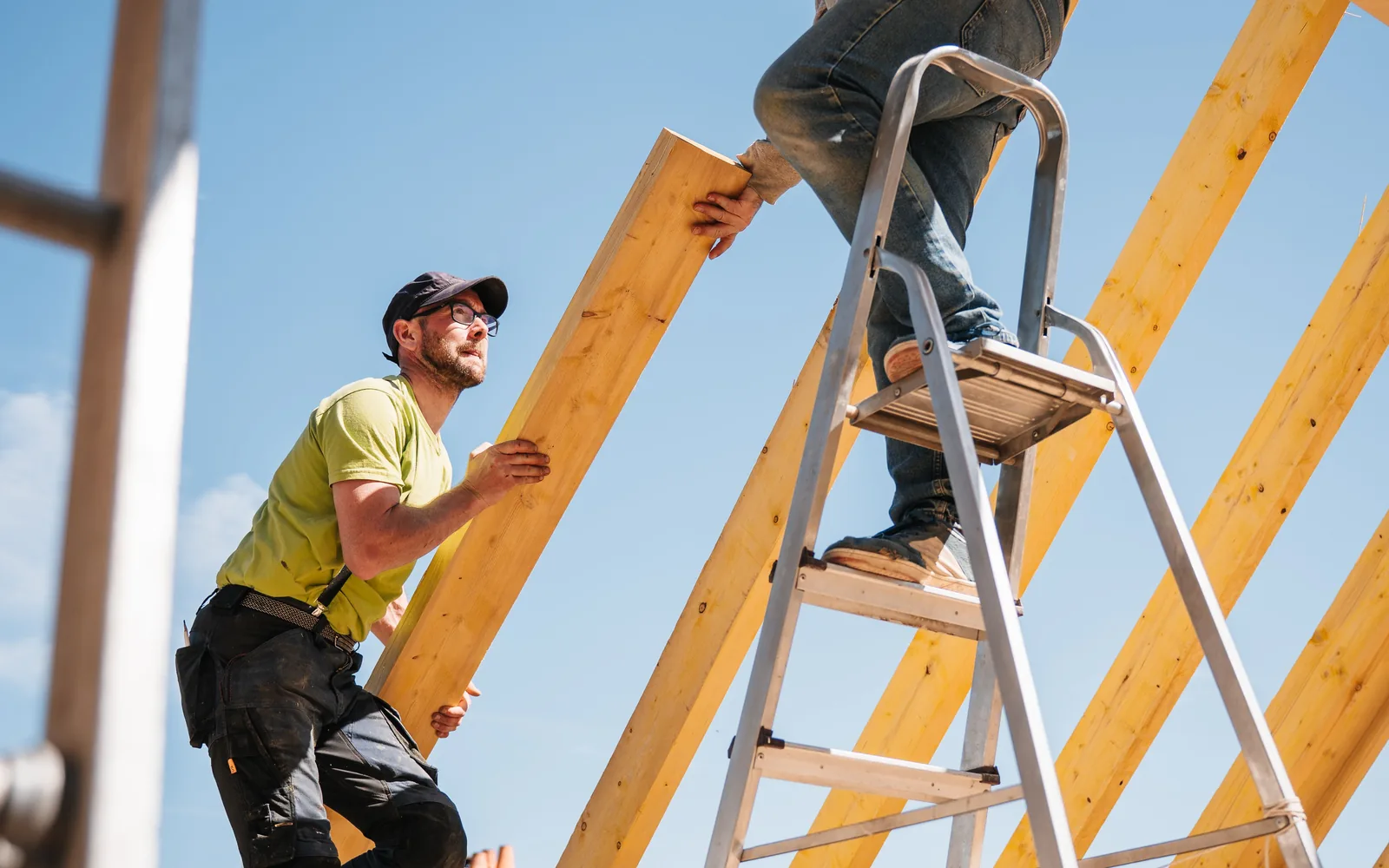
What can be seen before tear-off
Attic staining, daylight, sagging, soft areas, fastener movement, and interior leaks can provide clues.
The full extent may remain concealed until the roof covering and underlayment are removed.
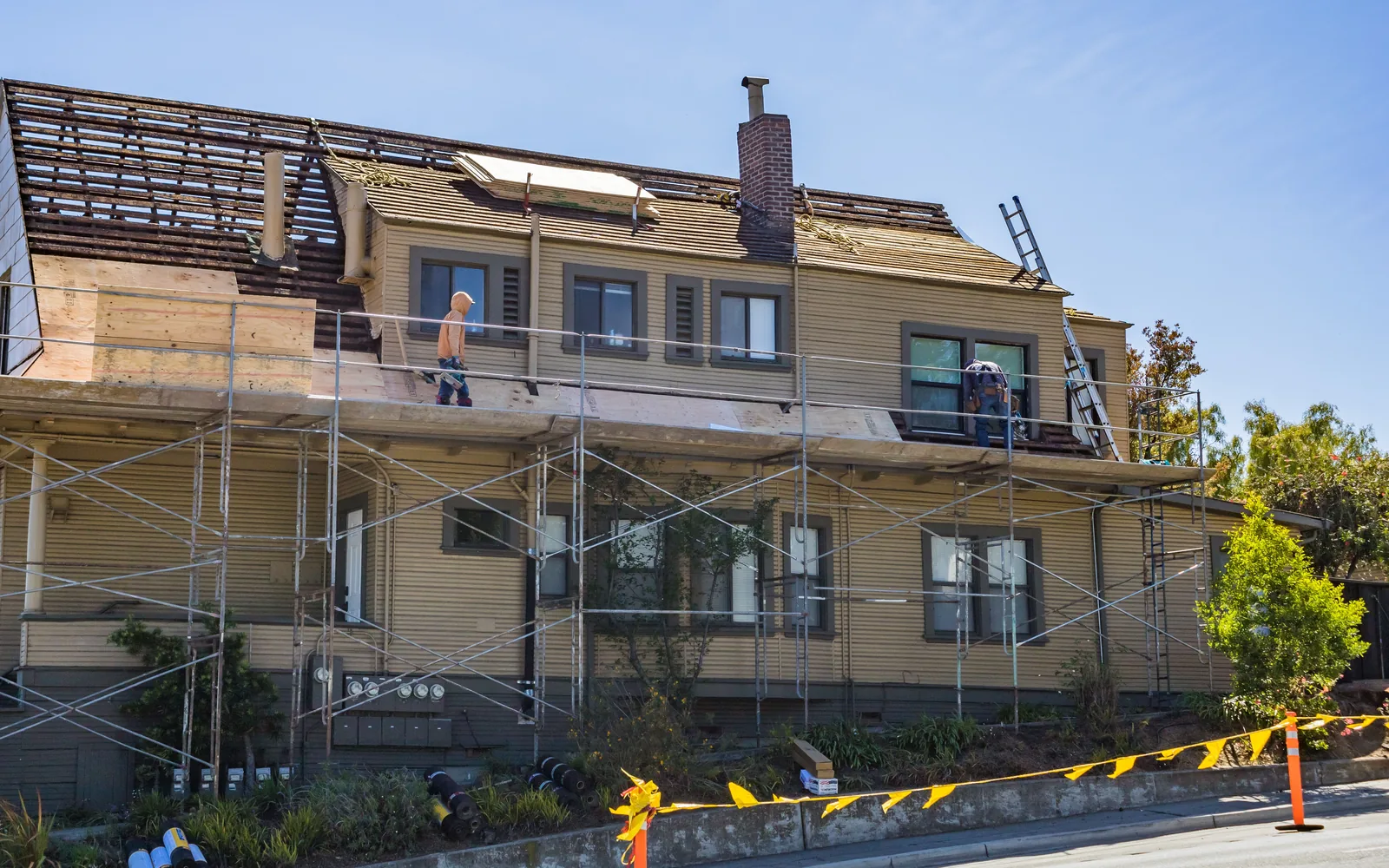
How repairs are priced
Contracts often include a limited allowance or unit price for plywood, boards, fascia, and related work.
The authorization process should require quantities and photographs when practical.
Why fastening and support matter
New decking must be properly supported and fastened. Deck attachment may also be reviewed under current Florida reroofing requirements.
Openings, edges, transitions, ventilation, and roof-to-wall details should be coordinated.
Homeowner comparison checklist
- Attic and interior evidence
- Known leak and repair history
- Decking type and thickness
- Unit price and approval process
- Framing support and fastening
- Photo and quantity documentation
Frequently asked questions
Does dark roof decking always mean rot?
No. Stains may be historical. Strength, moisture damage, delamination, fastener holding, and condition determine repair needs.
Can the roofer replace only small areas?
Localized replacement is common when damage is isolated and edges can be properly supported and fastened.
Why can the final cost change after tear-off?
Concealed deck and fascia damage may not be visible beforehand. Written unit pricing helps manage the uncertainty.