Condition, scope & system planning
The inspection should connect visible roof conditions to practical repair, maintenance, or replacement decisions
A roof inspection can support several different decisions: diagnosing an active leak, checking storm damage, planning maintenance, evaluating a roof before purchase, preparing for insurance questions, or defining the scope for replacement.
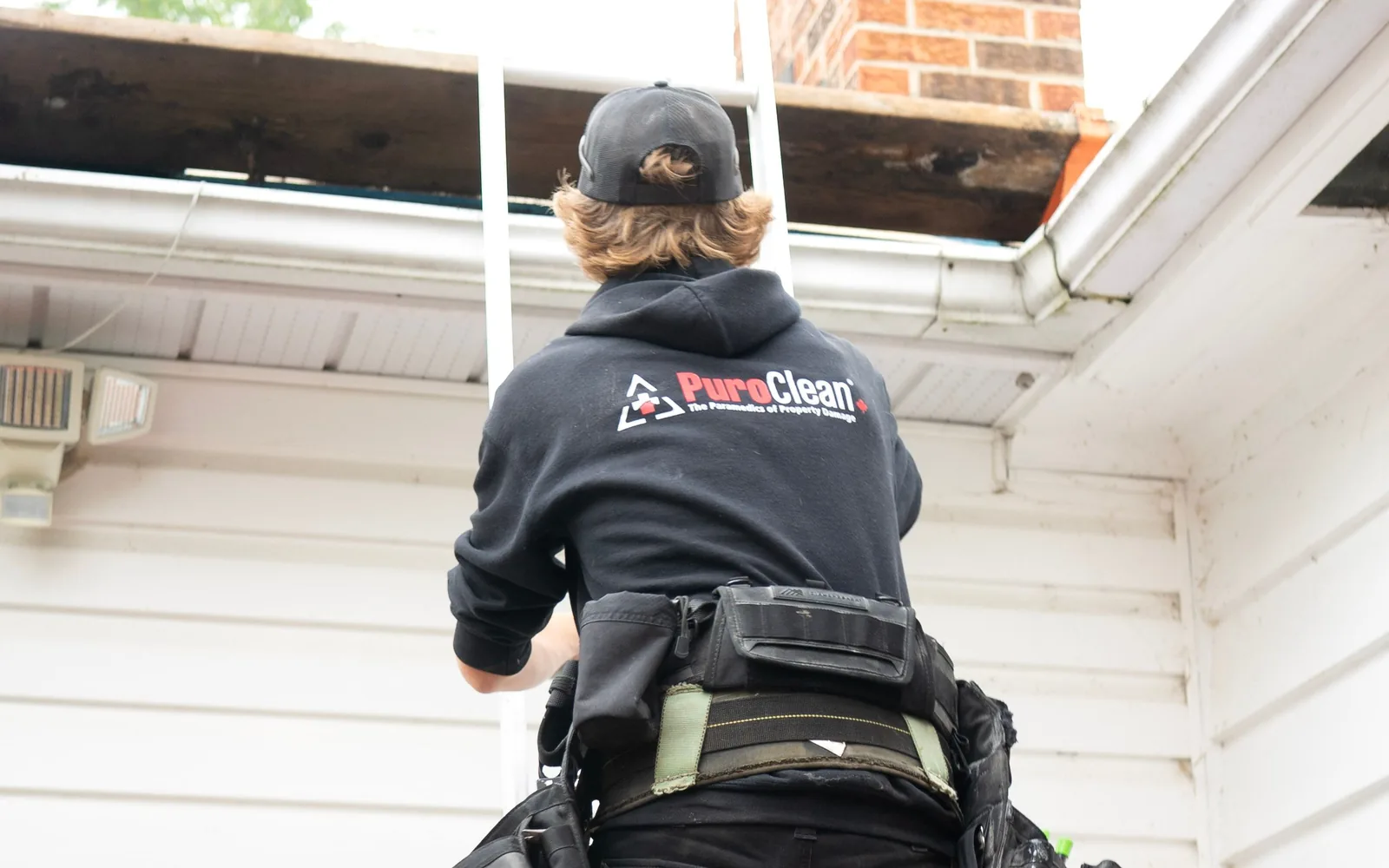
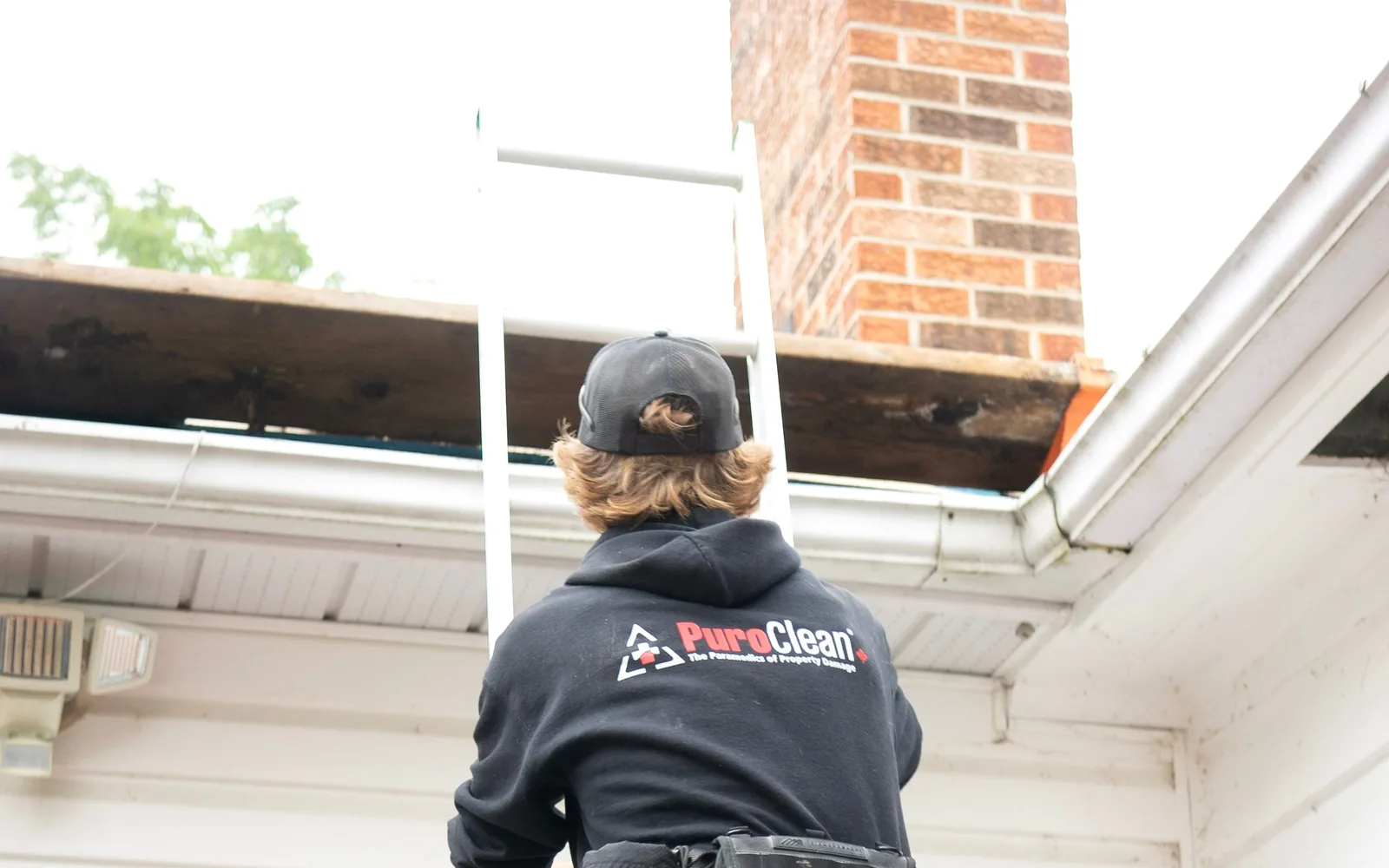
The visible review may include the roof covering, edges, valleys, flashing, penetrations, vents, skylights, chimneys, drainage, sealants, fasteners, surface wear, repairs, and signs of movement or impact.
When access allows, attic and interior observations can reveal stains, wet decking, daylight, damaged insulation, condensation, blocked ventilation, or evidence that water is traveling from a different location.
An inspection is more useful when findings are documented with photographs, locations, severity, likely causes, and a distinction between immediate repairs, maintenance items, and longer-term replacement planning.
Inspection limitations should also be clear. Weather, roof slope, material fragility, height, solar panels, locked areas, insulation, and unsafe conditions can prevent complete access.
Items to include when comparing proposals
- Reason for the inspection and any deadline
- Roof age, material, permits, warranties, and repair history
- Exterior roof-covering and flashing observations
- Attic or interior evidence where accessible
- Photo documentation and location notes
- Immediate safety or water-entry concerns
- Maintenance, repair, replacement, or specialist recommendations
- Written limitations and areas not accessed
Questions homeowners often ask
Is a roofing contractor inspection the same as a home inspection?
No. A home inspection is broad, while a roofing contractor may provide a more focused evaluation related to repair or replacement. Insurance and real-estate transactions may require specific forms or licensed inspectors.
Should the roof be inspected after a storm even if there is no leak?
A post-storm review may identify lifted materials, impact, flashing damage, debris, or openings before interior water damage becomes visible.
Can a roof be inspected from the ground?
Ground and drone observations can be useful, but some conditions require closer access. Safety and material fragility should determine the method.