Quick answer
Insurance coverage is determined by the policy and insurer. Homeowners can improve the process by preventing additional damage when safe, documenting conditions, reporting promptly, keeping receipts, and comparing the insurer’s scope with contractor findings.
Protect the property safely
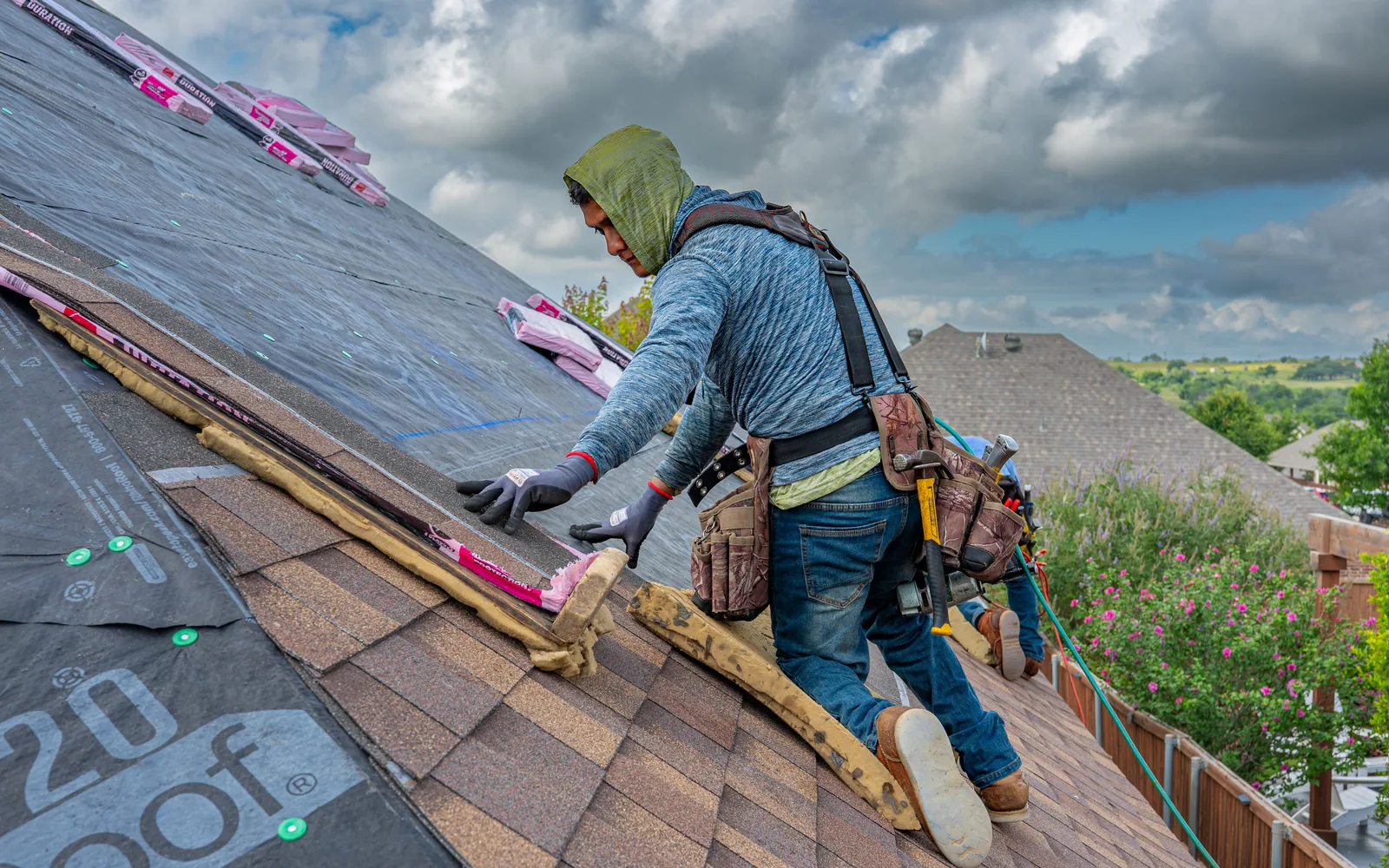
Address active water entry with safe temporary measures and protect belongings. Avoid climbing on a storm-damaged roof or making permanent changes before conditions are documented.
Keep photos and receipts for temporary dry-in, water removal, and emergency services.
Document the event and condition
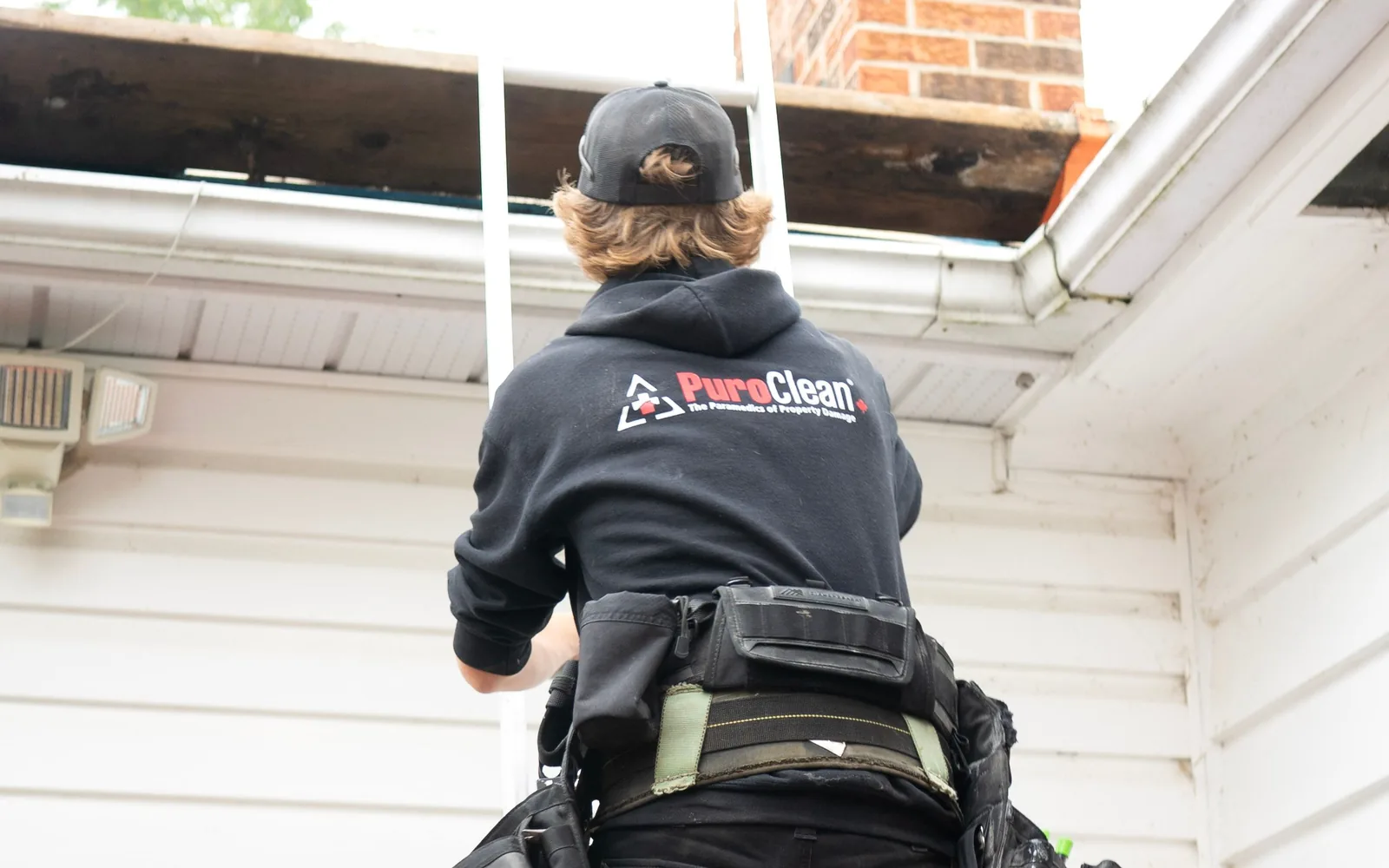
Record the storm date, interior damage, exterior observations, debris, missing materials, and prior roof records.
Do not exaggerate or assume every defect is storm-related; accurate documentation builds a clearer record.
Review the policy and claim process
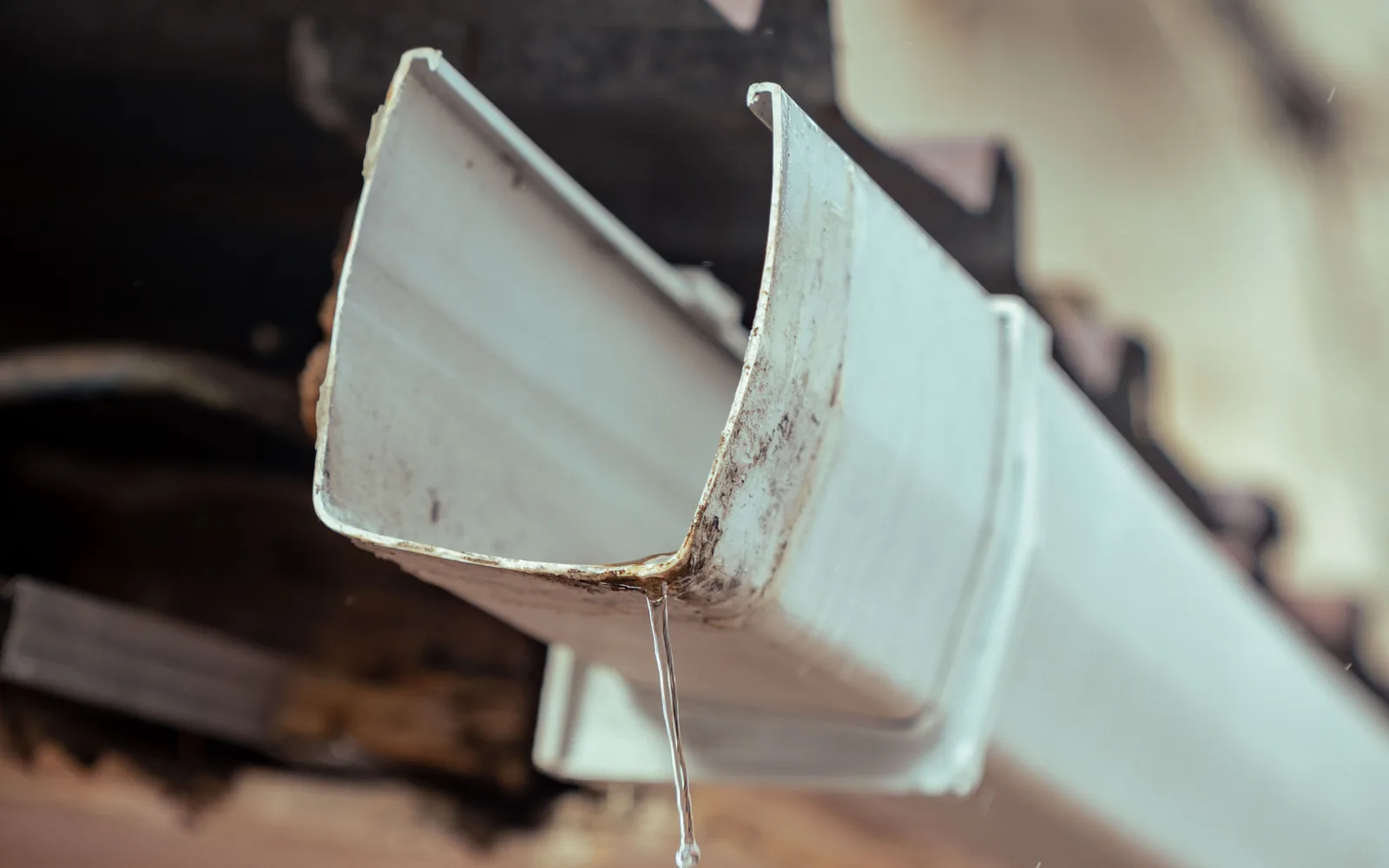
Contact the insurer using the required method, ask about emergency work, inspections, deductibles, deadlines, depreciation, exclusions, and supplemental documentation.
Coverage, pricing, and repair decisions belong to the insurer and policy—not the contractor.
Compare scopes carefully
The contractor estimate and insurer estimate may organize line items differently. Compare roof area, materials, underlayment, flashing, decking, permits, code-related items, disposal, and interior work.
Use licensed professionals and retain all contracts, authorizations, invoices, photos, and communications.
Homeowner comparison checklist
- Policy and insurer contact information
- Storm date and photo documentation
- Emergency dry-in receipts
- Roof permit, age, and prior repair records
- Contractor license and detailed estimate
- Insurer scope, deductible, payment, and supplement records
Frequently asked questions
Can a roofer negotiate my insurance claim?
Contractors can provide findings and estimates, but public adjusting and legal activities are regulated. Ask what role the contractor is licensed to perform.
Should I sign an assignment of benefits?
Read any document carefully and consider independent legal or insurance advice. Do not sign under pressure.
Will insurance pay for an old roof?
Coverage depends on the policy, cause of loss, condition, exclusions, deductibles, and insurer evaluation.