Quick answer
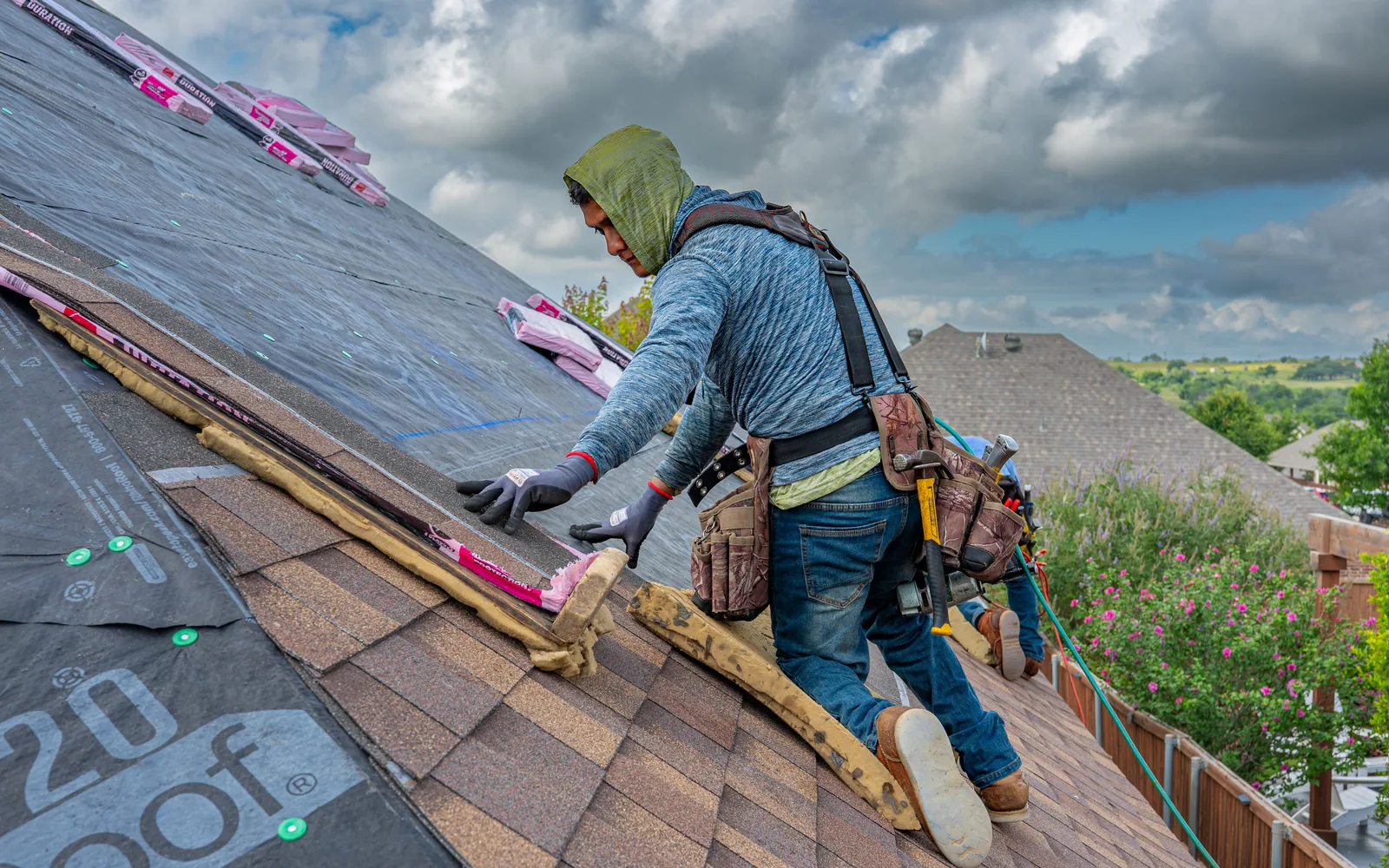
Underlayment is the concealed water-shedding layer between the roof deck and covering. Product type, deck preparation, laps, fastening, adhesion, temperature, ventilation, and flashing integration affect performance.
The role of underlayment
Underlayment provides temporary weather protection during installation and secondary protection beneath shingles, tile, or metal.
It is not intended to compensate for defective flashings, poor drainage, damaged deck, or incorrect roof-covering installation.

Common product categories
Options may include mechanically fastened synthetic underlayment, self-adhering membrane, and system-specific materials.
Each has requirements for deck condition, priming, temperature, laps, fasteners, ventilation, and compatibility.
Florida reroofing considerations
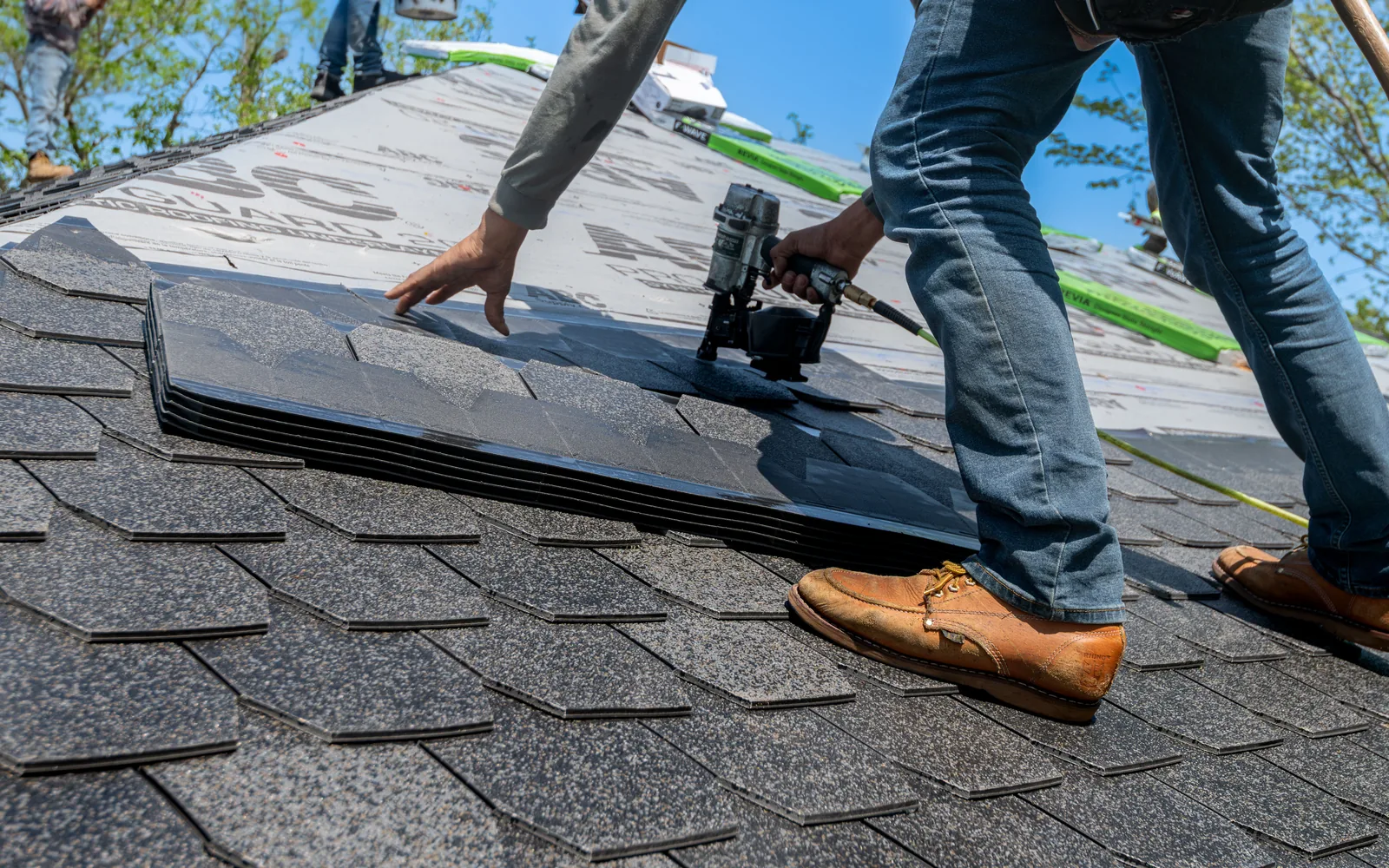
Current Florida requirements may include deck fastening and secondary water protection depending on the building and project.
The contractor should identify the proposed approved system and how it meets current code and product instructions.
Questions for the proposal
Ask for manufacturer, product name, coverage, attachment, deck preparation, valley treatment, penetrations, flashing integration, and weather exposure limits.
Photographs before covering can document deck repairs and underlayment installation.
Homeowner comparison checklist
- Exact underlayment manufacturer and product
- Deck preparation and repairs
- Fastened or self-adhering method
- Laps, valleys, walls, penetrations, and edges
- Temporary exposure and daily dry-in
- Code, product approval, and warranty requirements
Frequently asked questions
Is peel-and-stick always better?
It offers different water-resistance and adhesion characteristics, but deck condition, ventilation, compatibility, installation, cost, and code should be considered.
Can underlayment stop all leaks if shingles blow off?
It can provide secondary protection, but damage, penetrations, seams, exposure, and wind-driven rain may still allow water entry.
Can old underlayment remain during reroofing?
The permitted method depends on the existing assembly, condition, material, code, and proposed system.