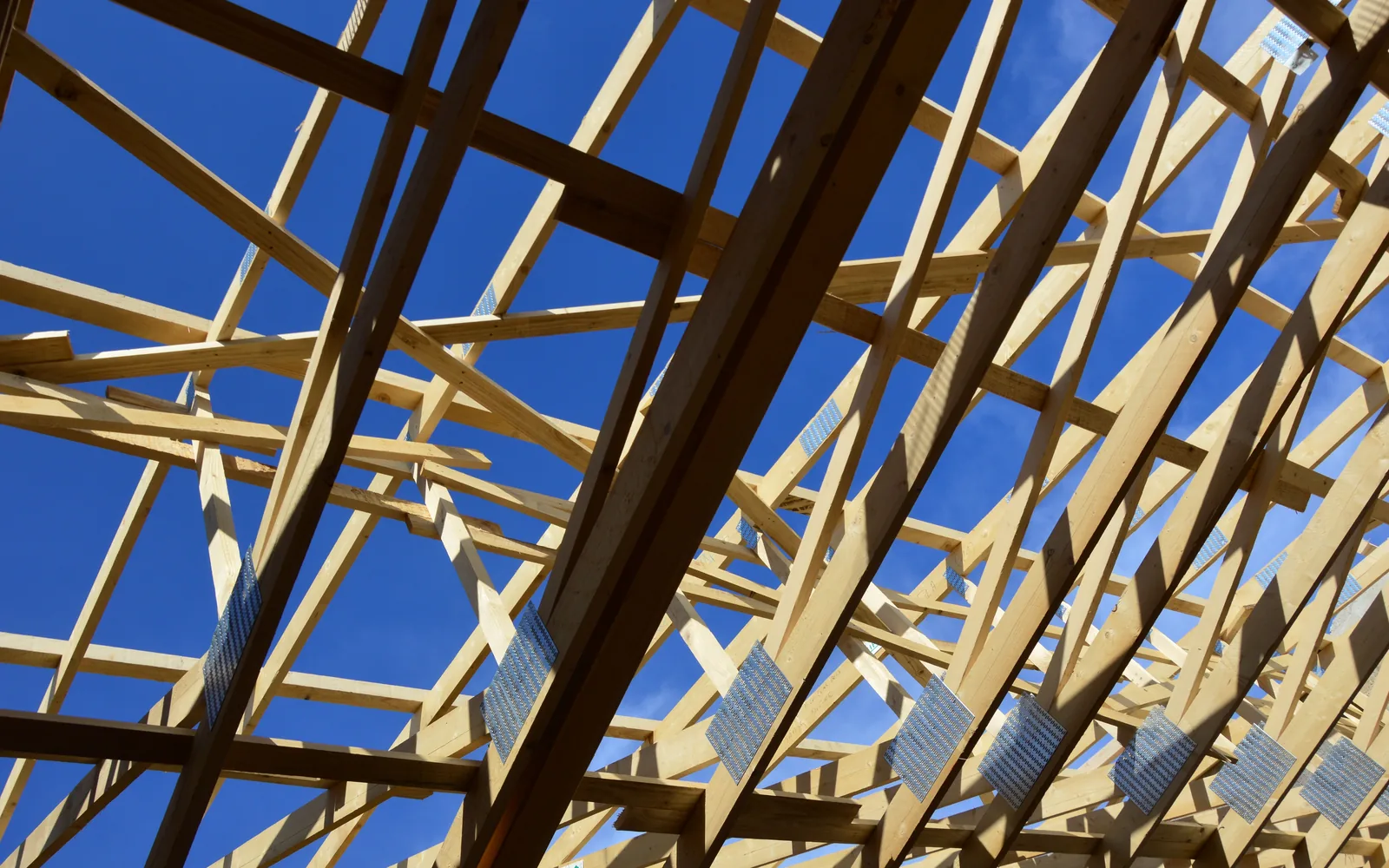
Quick answer
Ventilation should be evaluated as a system. Intake, exhaust, attic type, air sealing, insulation, ducts, moisture, and roof design must work together; simply adding more vents can create short-circuiting or unintended airflow.
Identify the attic design
Traditional vented attics and sealed or conditioned attics use different strategies. Determine the intended design before changing vents.
Mixing gable, ridge, powered, and roof vents can alter airflow and pressure.
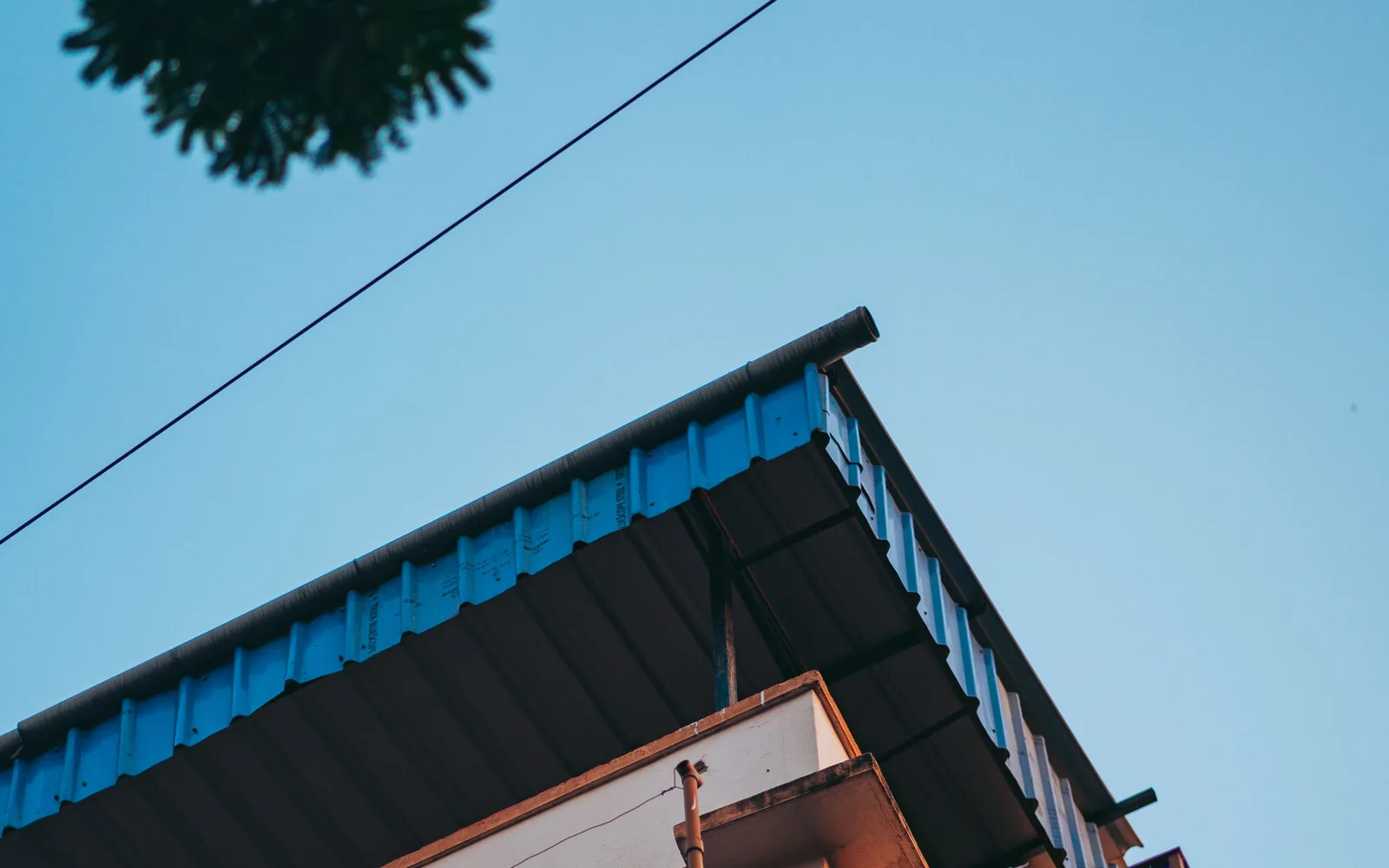
Balance intake and exhaust
Soffit or low intake should be open and protected from insulation blockage, while exhaust should be placed and sized appropriately.
Exhaust without intake can pull conditioned air or moisture from the home through ceiling leaks.
Address moisture sources
Bathroom or dryer ducts terminating in the attic, disconnected HVAC ducts, roof leaks, indoor humidity, and air leakage can contribute to moisture.
Ventilation alone does not repair leaks or solve every condensation problem.
Coordinate during reroofing
Reroofing provides access to review vents, ridge, decking, baffles, openings, and obsolete components.
The proposal should identify vents added, removed, replaced, or left in place and how openings are weatherproofed.
Homeowner comparison checklist
- Vented or sealed attic design
- Soffit intake and insulation blockage
- Existing exhaust vent types
- Bathroom, dryer, and HVAC duct termination
- Moisture, staining, and condensation evidence
- Ventilation changes included in reroofing
Frequently asked questions
Are powered attic fans recommended?
They can affect pressure and may draw conditioned air through ceiling leaks. Evaluate the whole attic and HVAC design before adding one.
Does a ridge vent work without soffit vents?
It may not provide balanced flow if low intake is missing or blocked.
Can poor ventilation damage roof decking?
Heat and moisture conditions can contribute to deterioration, but leaks, insulation, air sealing, and indoor moisture should also be evaluated.